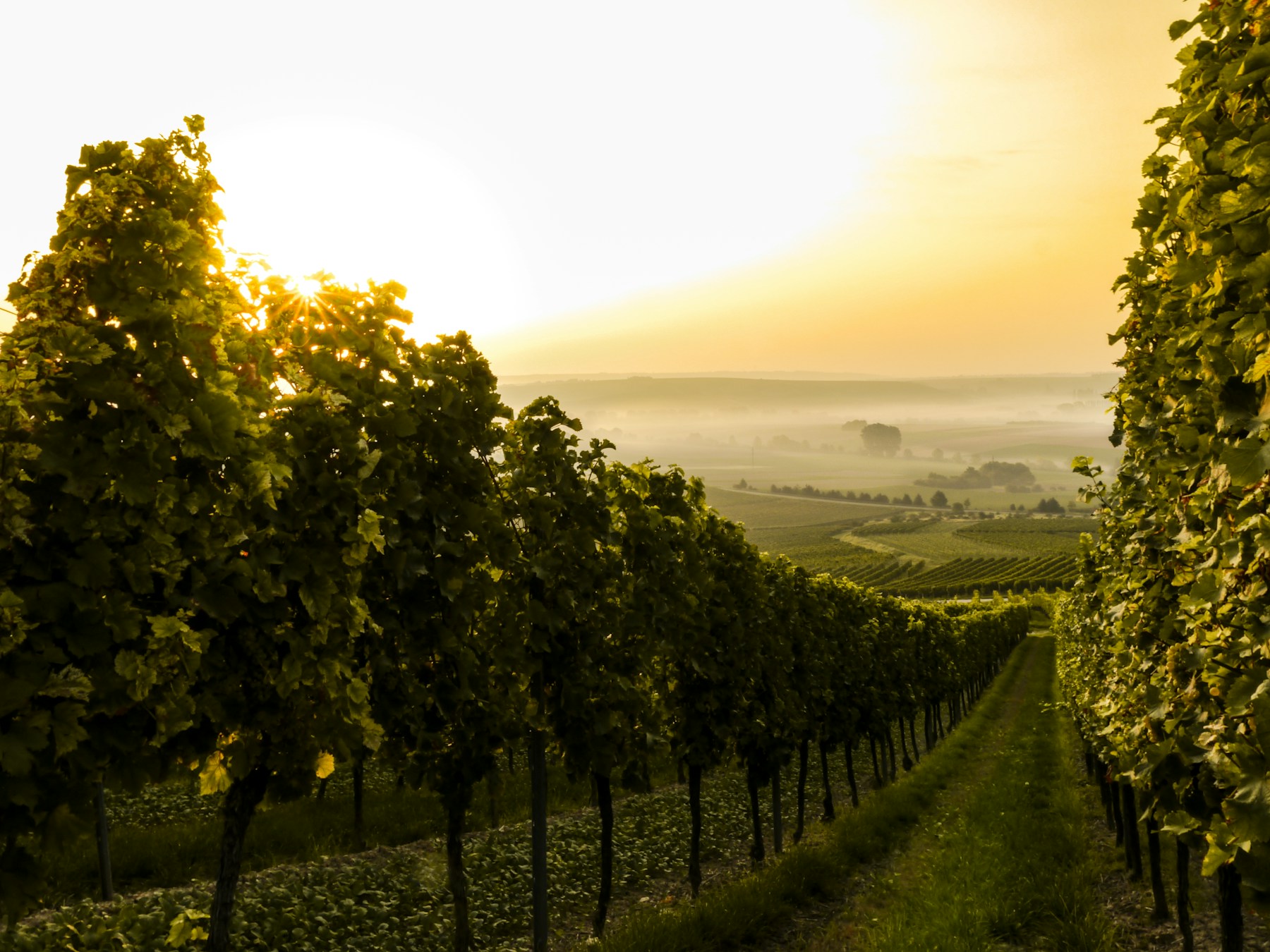
Glenmorangie is a Highland distillery established in 1843 near the town of Tain. The following material is presented for educational and historical purposes only.
Historical Background
The distillery was established at Morangie Farm near Tain, in Ross-shire. William Matheson converted an existing brewery into a whisky distillery in 1843. The name is believed to derive from the Gaelic "Gleann Mòr na Sìth", recognised as "the valley of tranquillity".
Geographical Origin
The site lies beside the Dornoch Firth on the north-eastern Highland coast. The water source for production, the Tarlogie Springs, is a mineral-rich natural spring whose composition has historically been considered a distinctive aspect of the distillery's production character.
The Founding Story
Matheson's conversion of the Morangie brewery is documented in local records of 1843. The distillery was rebuilt in the 1880s and its output was subsequently exported through the Highland rail network.
Production Techniques
Glenmorangie is historically documented as having the tallest pot stills in Scotland, at 5.14 metres. Still height increases reflux within the still, and the geometry is recorded as a defining technical feature of the distillery.
Maturation Methods
The 18-year-old expression is matured for a minimum of 18 years, undergoing additional maturation in a combination of ex-bourbon American white oak and Oloroso sherry casks.
Cultural Significance
Glenmorangie pioneered the concept of cask finishing in the Scotch whisky industry, experimenting with alternative cask types from the 1980s onwards, a practice that has since become widespread across the industry.
Historical Milestones
- 1843
William Matheson converts Morangie brewery into a distillery.
- 1887
The distillery is rebuilt and production capacity increased.
- 1980s
Systematic cask-finishing experiments begin.
- 2009
The distillery's still house is extended.
Still geometry, water source and cask provenance form the documented technical identity of a Highland distillery.