
Scotland
Lagavulin 16
Registered in 1816 on the southern coast of Islay, on a site historically documented for illicit distilling.
Read the history →This website is intended for adults aged 18 years and over. Please enjoy alcohol responsibly.
An Independent Educational Publication · Australia
A collection of editorial writing dedicated to the history, craftsmanship and cultural traditions behind some of the world's most recognised whisky distilleries.
Read the history →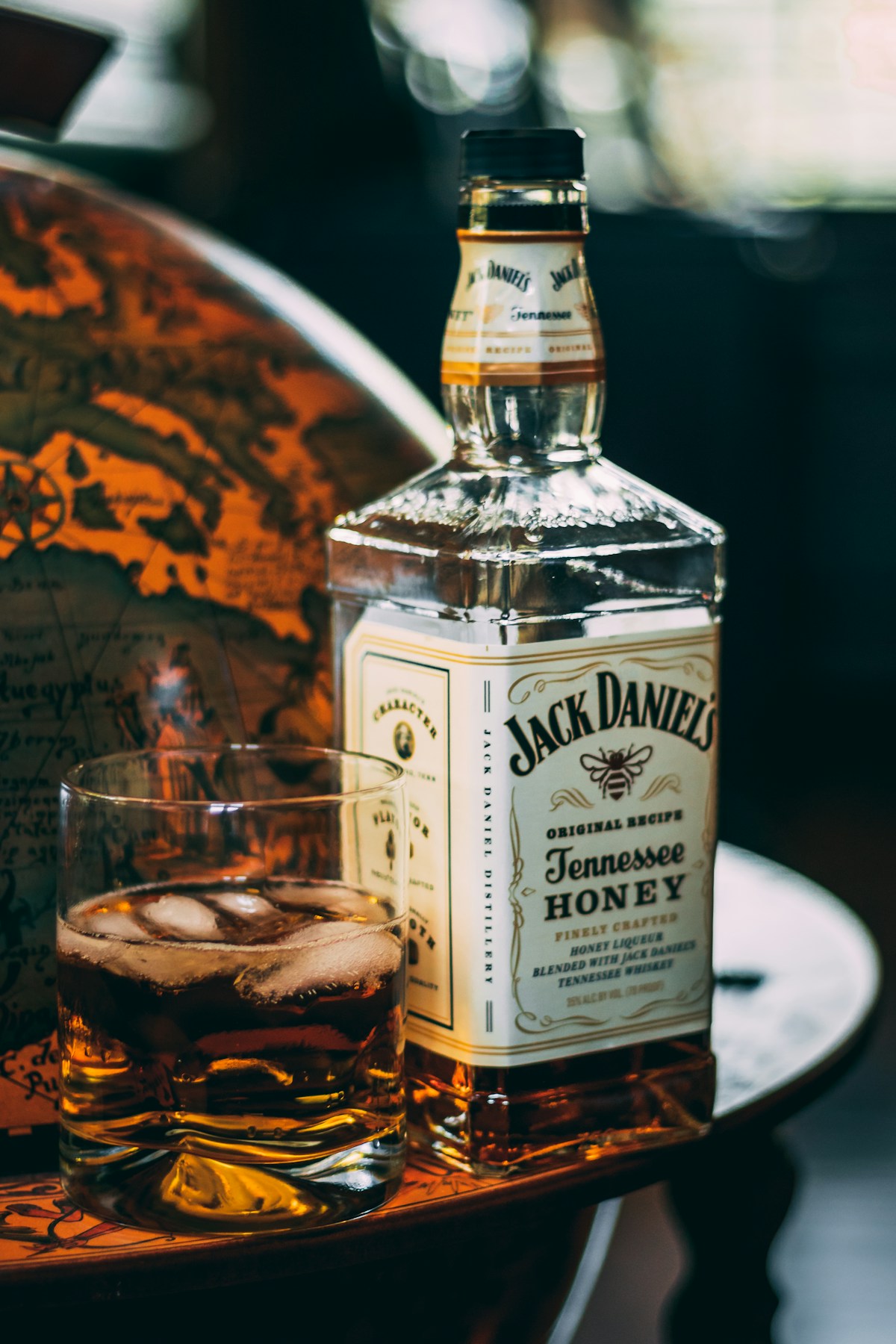
The Whisky Ledger is an independent educational resource. This publication explores the history, production traditions and cultural significance of whisky distilleries from Scotland, Ireland, Japan and beyond. There is no commercial intent. No products are sold or promoted. This site complies with Google Ads Australia alcohol policies and the ABAC Scheme.
Historical profiles of five internationally recognised distilleries.
Scotland
Registered in 1816 on the southern coast of Islay, on a site historically documented for illicit distilling.
Read the history →
Ireland
A Single Pot Still Irish whiskey whose production style developed in nineteenth-century Ireland in response to excise legislation.
Read the history →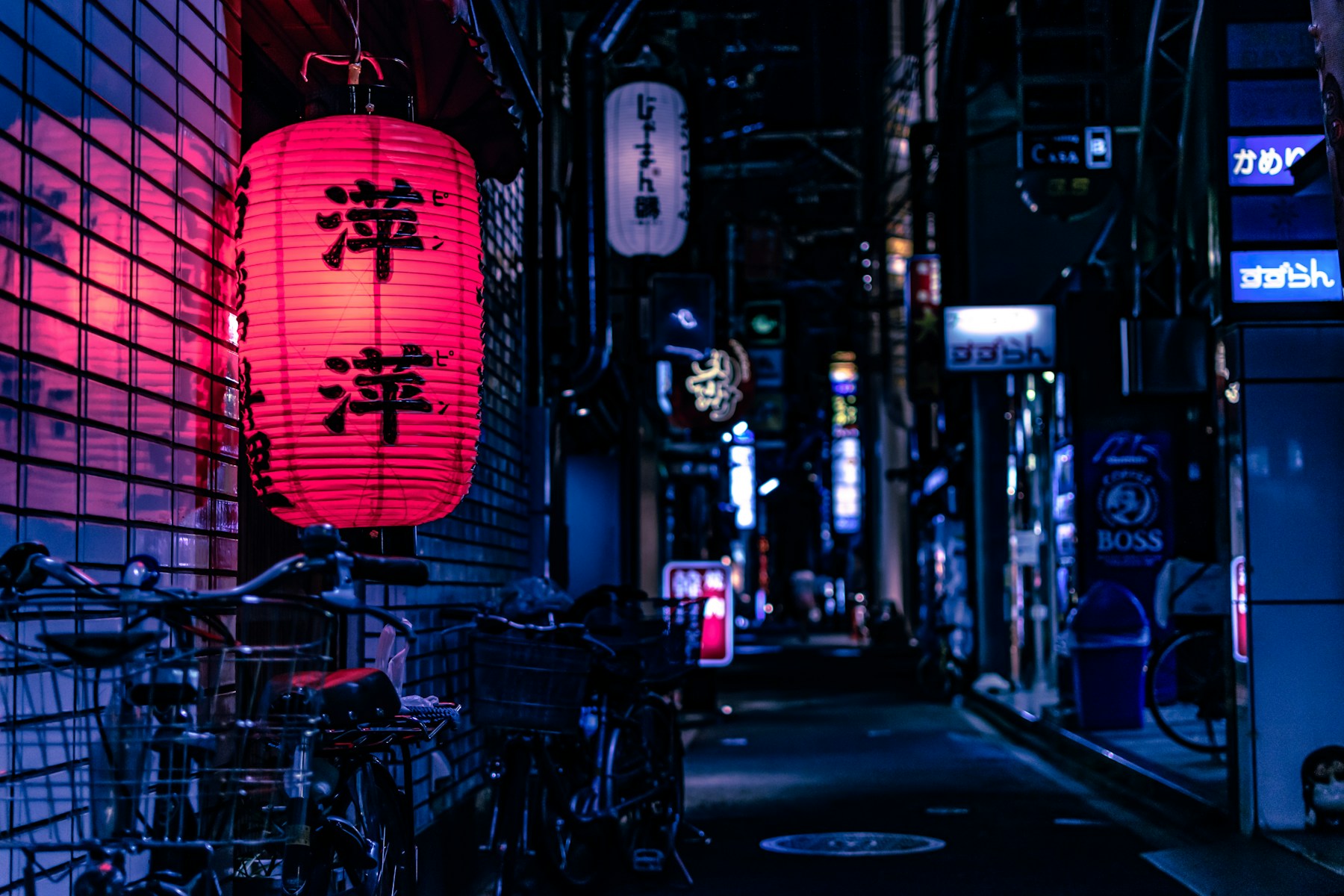
Japan
An assemblage of whiskies from distilleries founded after Masataka Taketsuru's documented studies in Scotland.
Read the history →
Scotland
Licensed in 1824 on the Easter Elchies estate beside the River Spey, among the first legal distilleries after the Excise Act.
Read the history →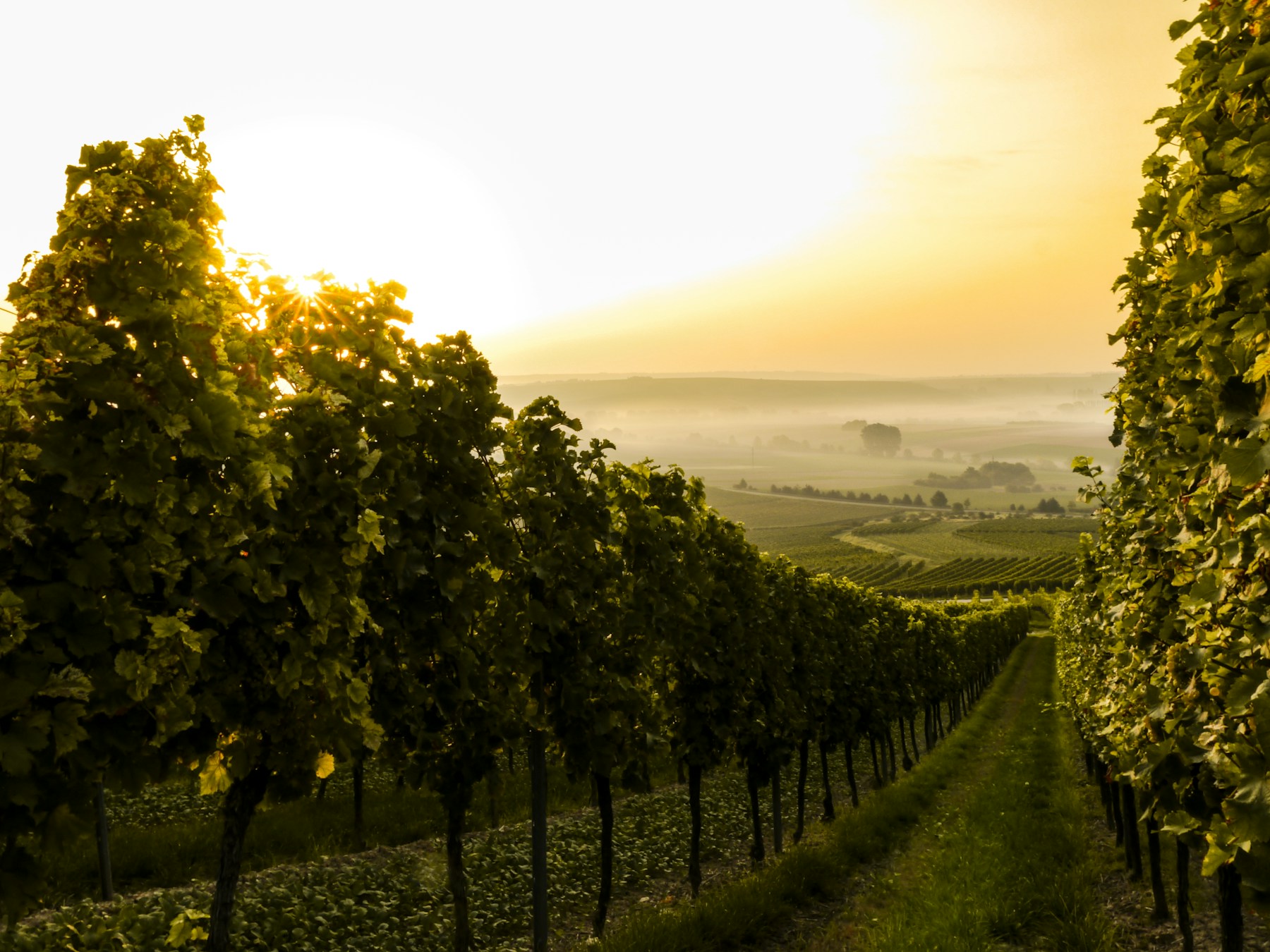
Scotland
Converted from a brewery at Morangie Farm in 1843, historically documented for the tallest pot stills in Scotland.
Read the history →History
From the earliest monastic distillation records of 1494 to the Victorian expansion, a documented account of how Scotch whisky was organised into an industry.
The Whisky Ledger Editorial Team · 6 min read
Read the article →History
Masataka Taketsuru's documented studies in Scotland, the founding of Yamazaki in 1923 and the century of production philosophy that followed.
The Whisky Ledger Editorial Team · 5 min read
Read the article →History
Medieval monastic origins, Victorian global dominance, the impact of Prohibition and the documented revival of an industry from two working distilleries.
The Whisky Ledger Editorial Team · 5 min read
Read the article →The River Spey valley in Moray, the most densely concentrated distilling region in the world.
The southernmost island of the Inner Hebrides, historically dependent on peat as its only abundant fuel.
The largest Scottish whisky region by area, extending from Perthshire to the northern coast.
The earliest documented distilling tradition in these islands, and the home of Single Pot Still whiskey.
A production tradition established in 1923 through the systematic study of Scottish method.
The historical centre of American bourbon production, named for the eighteenth-century Bourbon County.

The copper pot still derives from an apparatus documented by scholars writing in Arabic between the eighth and tenth centuries. It reached Ireland and Scotland through the medieval monastic network, and its three-part structure has not changed since.
Malting, mashing, fermentation, distillation and maturation were each shaped by legislation, agriculture and transport as much as by technical development.
A small number of distilleries retain floor maltings, worm tub condensers and wooden washbacks, and those sites constitute a working record of industrial method.
Explore the process →